Snapchat Planets Order, Meaning, and Friend Solar System Guide (2026)
Snapchat best friends list order 1-8
Enter a number from 1 to 8 to reveal your planet.
All 8 Friend Planets
If a mini planet shows up next to a friend’s name on Snapchat, this feature is only accessible through Snapchat Premium, which is why this is trending everywhere on social media. What many users do not know is that planets are not assigned randomly at all. It actually represents the significance of your placement in the user’s life.
This Snapchat Planets guide will help you understand what the planets mean, what the Snapchat Planets Order is, how they work, their purpose, and how to position yourself in your friend’s solar system.
What Are Snapchat Planets?
Snap planets are a part of the new Friend Solar System feature that is embedded in Snapchat Plus, the paid subscription tier of the Snapchat application. This feature allows users to visualize their top 8 friends. The snap orbits are arranged in a way that the user centers the system, and all of their friends are positioned as planets surrounding the user.
The closer you are to someone, the closer that person’s planet is to the Sun. The less you communicate with them, the more they are pushed away to the outer boundaries of your solar system.
Snapchat Planets Meaning in Simple Words
Planets Snapchat works as follows: imagine the friends you snap most often as planets around the Sun, which would be you. The person you snap the most is Mercury, and your weakest snap friend is Neptune. The planets’ positions also display your snap activity overall to each of your top 8 snap friends.
Snap Planets does not measure your best friends outside of Snapchat. If you daily communicate with someone on another app, but you don’t snap them, they might as well be a planet too, as there’s a chance they’ll show up as Uranus on your list.
Friend Solar System vs Best Friends List
Before the addition of Snapchat Plus, the app already contained a Best Friends List, which included a plain-text ranking of your top snap friends. The Solar System of Friends is a fun twist on the idea. Instead of a boring list of numbers, you can see a space illustration along with the Bitmoji of your friends on their respective planets.
The two systems measure the same thing, interaction frequency, but the planet version is exclusive to Snapchat Plus subscribers and gives a much more detailed visual experience.
How Does the Snapchat Friend Solar System Work?
The Friend Solar System runs in the background whenever you use Snapchat. Every snap you send, every chat you reply to, every story you react to, all of it feeds into the system and updates your friendship rankings over time.
The Ranking Algorithm Explained
Snapchat hasn’t elaborated on how its ranking system functions, but based on how the system operates, it can be reasonably assumed that your friendship placements are a result of the following:
- Snaps sent and received: This is the most influential factor. The more snaps you send and receive, the more likely you are to be placed higher in someone’s planet system Snapchat.
- Chat messages: Back-and-forth conversations count. Short one-word replies matter less than ongoing discussions.
- Snapstreaks: Having a consistent snap streak lets the system know you’re interacting.
- Story replies and reactions: Responding to someone’s story adds to the interaction score, though it contributes less than direct snaps.
- Voice and video calls: Calling a friend through Snapchat is another signal that strengthens their position.
- Reply speed: Responding quickly suggests you are actively engaged. Leaving messages on read for days tends to lower the interaction signal over time.
A friend’s ranking in the system can change at any time based on your interactions. So a friend whose ranking is Mercury today could be Mars next month if you don’t chat as much.
Who Can See Your Planets in Snapchat?
Your Friend Solar System is private, and only you can see your planet rankings. If you check someone’s profile, you can view your planet’s position in their solar system. However, you won’t see the ranking of their other friends. Your friends can’t measure their rankings against each other. This system was made to be personal, not to foster competition.
Why Was the Snapchat Planets Order Created?
Snapchat introduced planets as part of the Snapchat Plus subscription to give paying users something exclusive and visually engaging. The app had already been using emoji-based friend indicators for years, but those were small and easy to overlook. The planet system added more gamification to the experience.
From a business standpoint, the planet’s system is a good feature. Users want to see their ranking and want to keep or improve their ranking. Users are more active in the app, viewing chats and taking more snaps. Every day, social interactions being comparable to a game is one of the reasons users love to see who is where in their friends’ solar system.
Snapchat planet emojis and Order: Mercury to Neptune
The Snapchat planets numbered in order follow the same sequence as the real solar system. Starting from the closest to the Sun and moving outward, the order is: Mercury, Venus, Earth, Mars, Jupiter, Saturn, Uranus, and Neptune. Each position matches a specific rank in someone’s Best Friends list.
Mercury (1st Position)
The friend that is Mercury has a red heart surrounding the planet, and a Bitmoji friend directly on the surface of the planet. The hearts circling the planet signal a strong, healthy bond.
If you are Mercury to someone, that means that person is most active on Snap with you. Your Snap streaks are strong, and Snapchat is active. This person is constantly being referred to as someone’s Snap Best Friend, which means that this person is the most talked to person on Snap, with no one else coming close.

Venus
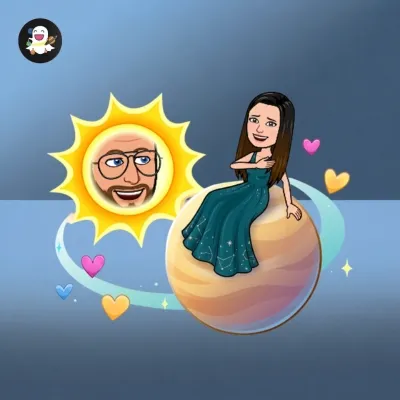
Venus is your second closest friend. It is a little softer and has a playful design. It is also decorated with hearts that are a mix of pink, yellow, and blue.
The second spot in someone’s solar system represents a close friendship. This person is not being contacted every day, but is still contacted enough that they are the second closest. A friendship represented by Venus is as meaningful as a friendship represented by Mercury. The only difference is a little shift in how often the two friends reach out to one another.
Earth
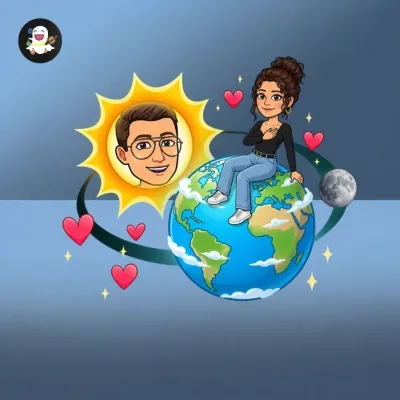
Earth is your third-best friend. It looks exactly like how it does in real life, a blue and green planet with a gray moon that has a familiar and grounded aesthetic that is surrounded by red hearts and small stars.
If someone ranks you as Earth on Snapchat friendships, it indicates that you’re a reliable and consistent friend on the app. Typically, you and this friend chat a few times a week, yet not every day. This friend is likely one with whom you enjoy your conversations, but not as much as those ranked 1 and 2. Earth friendships are known to be the most consistent friendships on Snapchat.

Mars
Mars has a red surface, with blue and purple hearts and an outer space vibe. Compared to the friends that you have ranked closest to the Sun, Mars has a more warm, yet distant, vibe.
The Mars position denotes a good friendship with balanced, friendly communication. You and your friend send a few messages a few times a week with no daily requirement. This describes a friend for whom you actually enjoy spending time together, but of course, you go without any communication or snapping. The bond remains special, just not on a daily snap level.
Jupiter
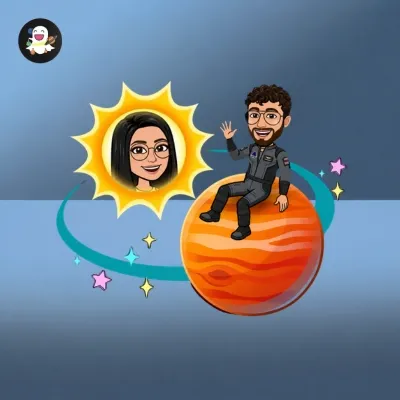
Jupiter shows up as a large orange planet with stars floating around its rings. Unlike the inner planets, hearts are no longer part of the visual; only stars remain, hinting at a shift in closeness.
Now that you’ve gotten to Jupiter, the communication is pretty informal. You send a few snaps, reply to some stories, and maybe have a chat within a week or two. The friendship is there, and the app has acknowledged it, but it remains outside of the active zone where most of Mercury, Mars, and even a bit of Saturn are found. Snap streaks at this level are usually shorter or inconsistent.
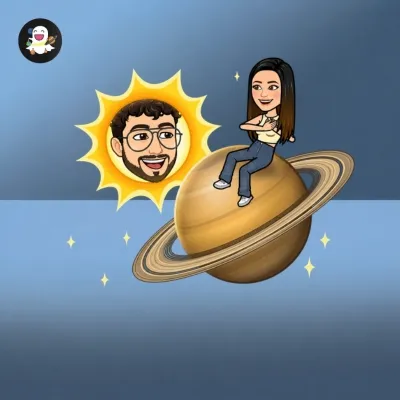
Saturn
Saturn is the most recognizable planet. Visually, it is yellow-golden with wide, iconic rings and stars scattered around it. The rings make it easy to identify at a glance.
In terms of your friendship, it means you see each other less and communication becomes casual and irregular through snaps and chats. You may or may not have a streak, but if you do, it’s a pretty weak one. You’re friends in real life and on the app, but there’s a lot less engagement on the app between the two of you.
Uranus
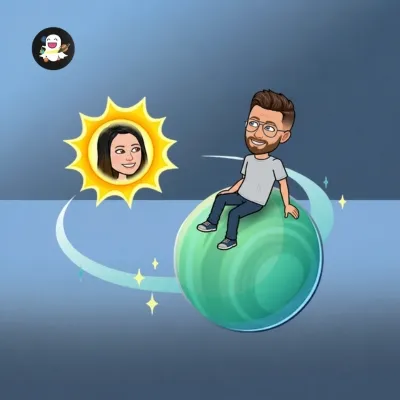
Uranus appears as a blue-green planet with yellow stars surrounding it. It has a cool, muted tone that visually matches its place as one of the outer planets.
If your friendship is in Uranus, that means that you do not communicate that often, but at least you are still in your friend’s top 8. You probably don’t talk enough, because they have other friends who talk more often and probably snap them more.
Neptune
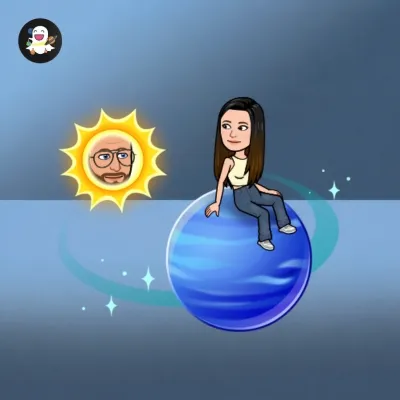
Neptune is a deep blue planet with a lonely, minimal look. No hearts, few stars, just a calm, distant blue orbit with your friend’s Bitmoji on it.
Neptune is the furthest planet in the Friend Solar System. It denotes the person in your top 8 that you communicate the least with. You may only communicate via Snapchat one or two times a month with this person. While the friendship still exists, digital activity between you has become quite limited. Neptune placements often change when either person starts reaching out more.
Snapchat can feel confusing with all its features — Snap Score, streaks, emojis, and more. That’s why we’ve made easy guides explaining how each one works. Learn how your Snap Score grows, how to keep your streaks alive, and what those chat emojis actually mean. Everything you need to understand and enjoy Snapchat, all in one place.
Snapchat Planets BSF List
The Snap BSF (Best Friends) List Planets feature is an exclusive Snapchat+ tool that turns your top friendships into a visual solar system. You are represented as the Sun at the center, while your eight most-interacted friends appear as orbiting planets. The closer a planet is to the Sun, the more frequently you communicate with that friend through snaps, chats, or story interactions.
This feature goes beyond the standard Best Friends list by providing a visual representation of your interactions, making it easy to see who you’re closest to at a glance. The positions of the planets are dynamic and update regularly based on your recent activity, so if your interactions change, the arrangement of planets can shift week to week.
It’s a fun and engaging way to track your social connections on Snapchat, giving a more interactive perspective than just seeing names in a list.
Snap BSF List Planets – Planet Types / Positions
Snapchat Planets Colors Guide: Identify Each Planet Easily
One of the quickest ways to determine which planet you are viewing is by its color. Each planet has a color that is particular to that specific planet.
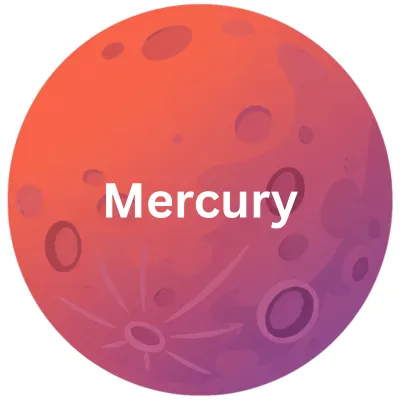
# 1
Brassy Orange
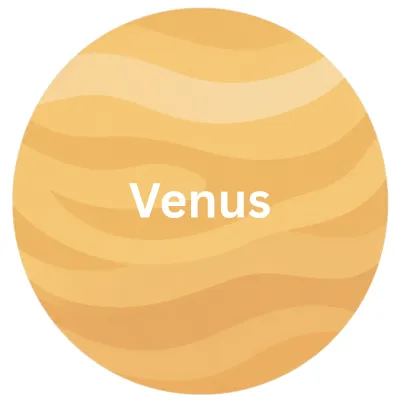
# 2
beige Yellow
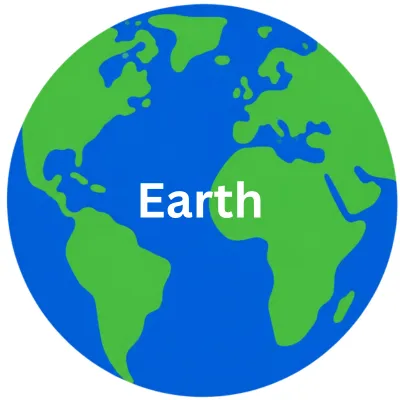
# 3
Blue+Green
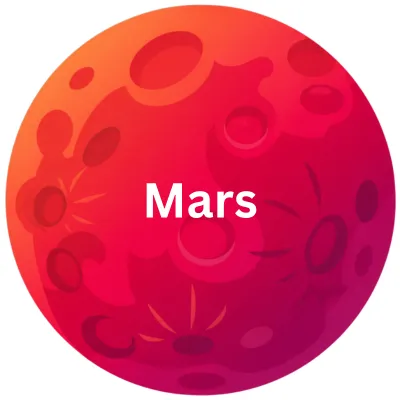
# 4
Red
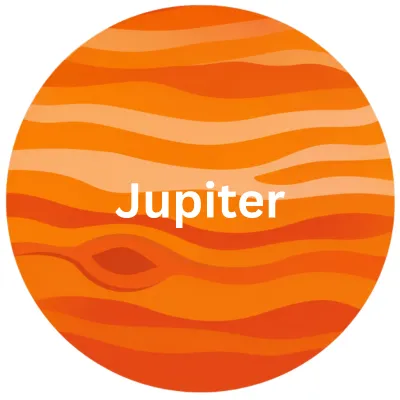
#5
Brow+Orange
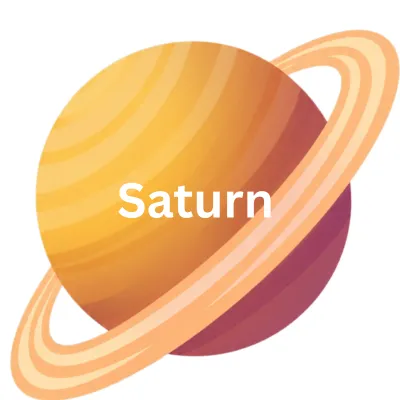
#6
Yellow+Gold
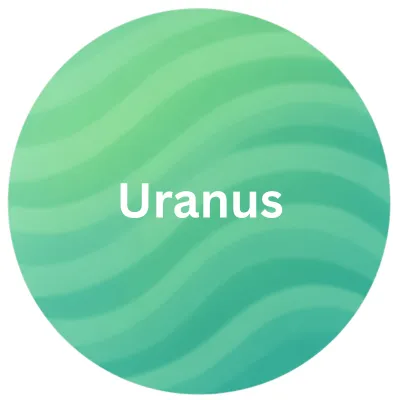
#7
Blue+Green
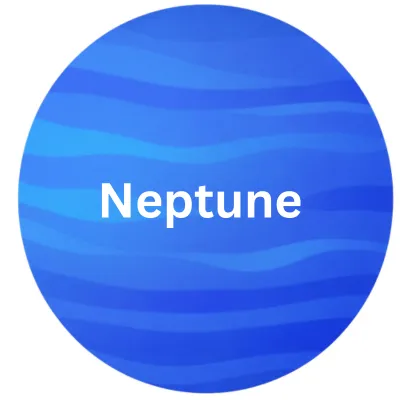
#8
Blue
Why Colors Matter in the Friend Solar System?
The colors in the solar system have a practical use. They help identify which planet you are on without the need to read the rank or count the planets. After seeing the planets a couple of times, you will be able to see your rank without needing to count from which planet you are looking at. The planets also have a gradient from warm to cold, which represents their distance from the sun (closer planets have warmer colors, further planets have cooler colors).
Best Friends Badge vs Friends Badge
If you click on a user’s profile on Snapchat Plus, you will be able to see a badge. Two types look different, but represent very different things.
Best Friends Badge Meaning
A Best Friends badge with a gold outline appears when you and that person are both in each other’s top eight. The Snapchat planets ranking is mutual. You interact with them enough to land in their solar system, and they interact with you enough to land in yours.
Friends Badge Meaning
A Friends badge means that you and a person are in each other’s top 8, but they aren’t in yours. They can be your friend, but you can’t be theirs. While getting a Friends badge means you’re in someone else’s solar system and they are not in yours.
Why Badges Change or Disappear?
Badges can shift if your contact patterns change. For example, if you no longer contact them, their Best Friends badge will change to Friends or will disappear completely. Badges can disappear if either person has their Snapchat Plus account canceled, as the whole planet feature is tied to a paid account.
Difference Between Friends and snap best friend planets
In terms of a friendship on Snapchat, every person gets classified as a friend the moment you add each other. The statuses of friends aren’t the same for everyone in the app.
A regular friend is simply someone you are connected with. You can snap each other, view their stories, and chat, but the interaction might be minimal. Snapchat’s algorithm does not put them in any special category.
A best friend on Snapchat planets, on the other hand, is someone who consistently shows up in your most active interactions. Snapchat assigns Best Friend status to the people you snap and chat with most over a rolling period of time. These are the people who end up as planets in your solar system.
Features of Snapchat Planets
Snapchat Planets comes packed with some genuinely fun details that make it more than just a ranking system. Here is what the feature actually includes:
Snapchat Best Friends List vs Snapchat Planets List
Your List of Best Friends displays people you contact the most, while your Planets List displays the same people but in a fun way that is visually engaging and adds context.
| Feature | Best Friends List | Snapchat Planets List |
|---|---|---|
| Availability | Free for all users | Snapchat Plus only |
| Format | Simple text ranking | Visual planets around the Sun |
| Number of friends shown | Up to 8 | Exactly 8 |
| Design | Plain list | Colorful, interactive solar system |
| Mutual vs one-sided | Not indicated | Shown via Best Friends or Friends badge |
| Updates | Regularly | Continuously based on activity |
The Psychology Behind Snapchat Planets Explained
People’s interest in system ranking is understandable. Humans need to know that their relationship is validated, and seeing your friend’s solar system as Mercury means a lot, as it shows a strong connection.
The flip side is also real. Dropping from Venus to Jupiter can be unsettling, even for people who consider themselves unbothered by social media. Ranking systems show the deep human need to feel valued, and Snapchat’s planet feature makes that ranking visible in a way that most apps do not.
Snapchat designed the system this way on purpose. When people want to maintain or climb their planet ranking, they snap more, reply faster, and spend more time in the app. It is a clever loop: friendship validation drives engagement, and engagement drives the app’s growth.
If you are feeling anxious about the planet rankings, just remember the planets are based on app activity and do not represent the strength of your friendship. A friend on Neptune might be a daily call on another app. If the ranking system influences how you view your friendship, you can turn the system off.
How to See Snapchat Planets on Your Account?
Viewing your planet ranking is simple. However, you do need to pay for the Snapchat Plus subscription. After that, here are the steps to find your ranking.
Step-by-Step Guide to Check Your Friend’s Solar System
- Open the Snapchat app on your phone.
- Go to your chats or the Stories tab and find the friend you want to check.
- Tap their name or Bitmoji to open their profile.
- Look for the gold-outlined badge near their name; it will say either Best Friends or Friends.
- Tap the badge.
- The Friend Solar System will open and show you which planet you are in, in its ranking.
This is the only way to view your friend’s ranking on Snapchat. They will not send you notifications on your ranking, and it is not displayed anywhere else.
How to Find Out Your Planet in Someone Else’s Solar System?
When you tap that badge and the solar system opens, your friend’s Bitmoji appears at the center as the Sun, and your Bitmoji shows up on whichever planet you represent in their rankings. The planet label and your position in the orbit tell you exactly where you stand. You cannot see where anyone else ranks, only your own spot.
Do You Need Snapchat+ to See Planets?
Yes. The Friend Solar System and planet rankings are features exclusive to Snapchat Plus users. If you do not have the subscription, you will not have access to planet badges, and you cannot see what rank you are in your friend’s solar systems.
Can You See Snapchat Planets for Free?
Recently, Snapchat has been providing a free week-long trial to some new subscribers to Snapchat Plus. The trial gives you free access to the Friend Solar System and the other premium features. After the trial, you have to pay for the subscription to retain access to the features.
For your friends to see you on their solar systems, they must have an active Snapchat Plus subscription. If their subscription is inactive or if they have never subscribed, you will not be visible in their solar systems.
How to Improve Your Snapchat Planet Ranking?
There are no shortcuts for it. The system responds to real, consistent activity. If you want to move closer to the Sun in someone’s solar system, the only way to do it is to genuinely interact more with that person inside the app.
1. Send Daily Snaps to Your Friend
Sending snaps will greatly improve your rank. Just remember to snap users daily or even multiple times a day to improve your rank.
2. Maintain Snapstreaks Consistently
Snapstreaks are when you and a friend send each other snaps on consecutive days. Snap streaks are some of the most powerful indicators of daily interactions that the algorithm can detect. If you have one with someone, keep it. If you don’t, create new streaks.
3. Reply Quickly to Messages
The speed you send messages with is an important factor in determining the outcome of your friendship bond rank. The longer you leave messages on delivered or read, the more likely you’re pushing that friend to a more distant planet.
4. React to Stories
Replying to or reacting to a friend’s stories adds an extra layer of interaction that counts toward your ranking. It is a small contribution, but it stacks up over time alongside your snaps and chats.
5. Avoid Group Chats for Higher Ranking
Group snaps and group chats are some of the weakest interactions in the algorithm. If you want to stay close to a friend, have personal interactions instead of a group thread.
6. Use Voice and Video Snaps
Calling someone through Snapchat, either a quick voice note or a video call, is a meaningful interaction that adds to your friendship signal. You do not need to do this every day, but occasional calls help strengthen the bond the algorithm sees.
Snap Planets vs Snap Score vs Snapstreaks: What’s the Difference?
Many users confuse these three because they all seem related to how active you are on Snapchat. They actually measure very different things.
Feature | What It Measures | Visible To |
|---|---|---|
Snapchat Planets | Closeness to specific friends | Only you (Snapchat+ required) |
Snap Score | Overall app activity across all interactions | Everyone on your friend list |
Snapstreaks | Consecutive daily snap exchanges with one person | You and that specific friend |
Your Snap Score increases each time you send and receive a snap. It is a lifetime total of your interactions on Snapchat. Planets measure how you interact with one friend vs your ability to interact with everyone else. Snap Score is the total activity, but it does not help you climb the planet ranking. Snapstreaks only measure a one-on-one interaction; your Snap Score and activity are measured overall.
Pros and Cons of Snapchat Planets
Pros
Cons
Snapchat Planets Not Showing? Common Problems and Fixes
There are a few common complaints when things go wrong with Planets on Snapchat, and they are typically easy to fix. Here are the most common complaints/customer service calls and how to fix them:
Why Can’t I See My Snapchat Planets?
There are several common reasons planets stop appearing or were never visible in the first place:
- Your Snapchat Plus subscription has expired or been cancelled
- The Friend Solar System feature is toggled off in your settings
- Your friend does not have an active Snapchat Plus subscription
- You are running an outdated version of Snapchat
- You are looking in the wrong place. Planets only appear when you tap the badge on a friend’s profile
Friend Solar System Not Working – Troubleshooting Steps
If your planets have disappeared or are behaving strangely, try these steps in order:
- Check that your Snapchat Plus subscription is still active in your account settings.
- Go to your Snapchat Plus features and confirm the Friend Solar System toggle is switched on.
- Update Snapchat to the latest available version through your app store.
- Confirm that the friend whose profile you are checking also has an active Snapchat Plus subscription.
- Log out of Snapchat completely and log back in. This refreshes your account data.
- If planets still do not appear after all of the above, try clearing the app cache or reinstalling Snapchat.
How to Enable or Disable Friend Solar System?
To turn planets on or off at any time:
- Open Snapchat and tap your Bitmoji icon in the top left corner.
- Tap the Snapchat Plus star icon or banner.
- Find the Friend Solar System toggle in the feature list.
- Switch it on to enable, or off to disable.
Turning it off does not delete any data or affect your friendship rankings. It simply hides the visual display until you switch it back on.
Hidden Facts About Snapchat Planets You Didn’t Know
You could be someone’s version of Mercury while they could be your version of Saturn, etc. You could be someone’s version of Saturn, while they could be your version of Mercury. Ranks and positioning are never the same for any of the accounts in the Snapchat rank system.
Planet positions update on a rolling basis, not at a set time each day. This means your rank can technically change at any hour without warning. You will not receive a notification when it happens.
The algorithm sees recent snaps as more important than old snaps. If the other person’s top snaps have also changed, you can go from a Jupiter rank to an Earth rank with one strong month of snapping.
Snap planets are also affected by what you do not do, not just what you do. Going on vacation and ignoring Snapchat for a week can drop you several positions, even if your total snap count over the year is high.
The 9th Planet Rumor: Is There a Secret Planet?
A rumor has circulated widely on TikTok, Reddit, and social media claiming that certain Snapchat users can unlock a hidden ninth planet by reaching extreme levels of interaction. Videos claiming to show this mystery planet kept reappearing online.
In a statement, Snapchat confirmed that the Friend Solar System only has 8 planets like our Solar System. There is no verified evidence that there is a 9th planet in the app. The rumor is likely due to the fact that the rankings system is a close secret, allowing people to wildly speculate. Some users have interpreted app glitches and irregular badge behavior as proof. There is no 9th planet, as there is no evidence and no official statements from Snapchat.
How Influencers and Brands Use Snapchat Planets?
The planet feature has found its way into content strategy beyond personal friendships. Influencers use it to connect with their most loyal followers, the people who engage with every snap and story. By mentioning planet rankings in their content, creators give fans a goal to aim for: reach Mercury status, and you are their ultimate top follower.
Brands that maintain active Snapchat accounts have started using solar system language in campaigns to encourage daily engagement. Reports from social media monitoring tools have suggested that brands incorporating this type of engagement-based content see measurable increases in interaction rates compared to standard promotional posts.
For both creators and brands, the planet system works because it turns passive viewers into active participants who feel personally recognized.
Are Snapchat Planets Accurate?
Yes, the Friend Solar System is built on real data from your actual Snapchat activity. If it shows someone as your Mercury, it is because the numbers back that up: you have snapped, chatted, and engaged with them more than anyone else on the platform during the measured period.
This system does have some significant shortcomings. If your most meaningful friendships are outside of Snapchat, then the system is not going to be as useful. The system is only going to reflect the engagements that occur within the platform itself.
Rankings can also lag slightly. A recent burst of activity may take a few hours to reflect in your planet placement. And since the exact weighting of each signal is private, you might sometimes see a ranking that feels unexpected based on your own sense of who you talk to most.
Privacy and Safety: Are Snapchat Planets Safe for Teens?
There is no real safety threat concerning Snapchat Planets. Because rankings are private, the system does not post your data, and the feature does not show real personal data to users.
The bigger concern with younger users is emotional. Seeing a close friend’s Bitmoji appear on Neptune or finding yourself on Uranus in someone’s solar system can feel more personal than a simple number. Teenagers who already feel social pressure may find planet rankings add another layer of comparison to manage.
Snapchat has made the feature optional and private, which helps. Parents should have open conversations about how planet rankings work and remind teens that the system only measures app behavior, not real friendship value. If a young person finds the feature stressful or distracting, turning it off in Snapchat Plus settings is a straightforward solution that does not affect anything else in the app.
Snapchat Planets Myths vs Reality
- Myth: You can manually change your planet ranking.
Reality: No. Rankings are set entirely by the algorithm based on your interaction data. There is no way to manually move a friend to a different planet. - Myth: Buying Snapchat Plus gives you a higher planet rank.
Reality: No, your rank is determined by the number of interactions, regardless of your payment. Buying Snapchat Plus just lets you see the planets. - Myth: A high Snap Score means better planet rankings.
Reality: No. Your Snap Score reflects total overall activity across all of Snapchat. Planet rankings are specific to individual friendships and are calculated separately. - Myth: Planets update in real time.
Reality: Not exactly. The system refreshes regularly, but not instantly. There can be a short delay between changes in activity and changes in planet placement. - Myth: Both people need to see the same planet.
Reality: No, each friend’s solar system is separate. You could be someone’s Mercury while they are your Saturn. They do not match. - Myth: If you cannot see planets, the feature has been removed.
Reality: Planets are still around in 2026. If you don’t see planets, your subscription may have expired, they may have disabled the feature, or your friend may not have Snapchat Plus.
What’s New in Snapchat Planets 2026?
Snapchat rolled out several updates to the Friend Solar System in 2026. The planet animations were refreshed to feel smoother and more detailed, and new Bitmoji reactions were added inside the solar system display, making the experience more interactive than before.
The overall interface received a visual update as well, with cleaner layouts and a slightly different approach to how planets are shown on friend profiles. These updates are being rolled out gradually across different regions, so some users may see the new design before others.
The feature Snapchat is currently testing, though not yet publicly released, is called Galaxy Badges. If launched, these would reward users who maintain consistently high interaction with their closest friends over extended periods of time, adding yet another layer of recognition to the solar system concept.
Why Was the Snapchat Planet Order Created?
The Snapchat Planet Order was created to make friendship rankings more visual, engaging, and fun. Instead of showing a simple list of friends, it uses a solar system theme where each planet represents a level of closeness. This gamified design encourages user interaction while giving a clearer visual representation of friend activity and engagement patterns within the app.
Frequently Asked Questions
You might also find handy
Working on something around the house rather than your Snap streaks? The stair calculator works out rise, run, and stringer length for a staircase build.
Final Thoughts
The Friend Solar System is complicated at first, but it is a very straightforward concept. You are the Sun; your top eight friends are planets, and the way they are arranged in your solar system reflects how you interact with them on Snapchat.
What matters most is keeping perspective. A Mercury ranking feels great, but a Neptune ranking does not mean the friendship is failing; it just means you use a different app to stay in touch, or that life has been busy. The planets only know what happens inside Snapchat itself.
If you enjoy the feature, use it as a fun way to understand your digital habits. If it starts to feel stressful, switch it off. Either way, your real friendships exist well beyond any algorithm.

I’m Vanessa Harrison, a Snapchat and social media specialist, as well as a content writer passionate about helping people make the most of their online presence. I create engaging, easy-to-follow content focused on Snapchat and social media trends, tips, and strategies. At Planet Snapchat, I combine my experience in social media with clear, informative writing to help readers stay updated and get the most out of their digital interactions.